Define the Character of Your Living Space: The Art of Decorating with Decorative Pillows
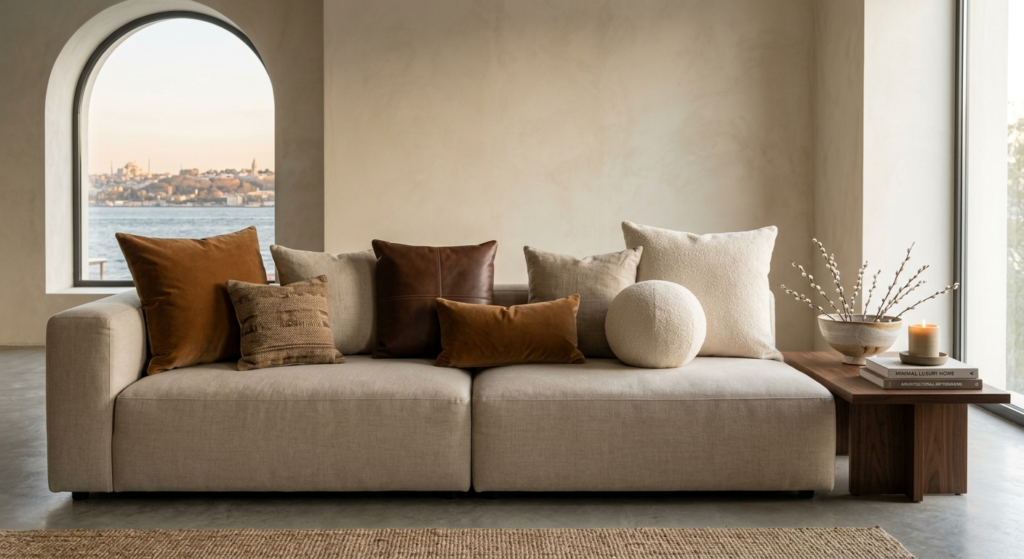
Sometimes, just a few decorative pillows are enough to transform the entire atmosphere of a space. As an architect, I can confidently say this: decorative pillows are one of the most cost-effective tools in interior design that create the highest impact. They help you build a layered design language. Rugs, curtains, and decorative pillows work together to add depth, making the space feel more professional and “complete.” And most importantly: they are flexible. They can easily be changed according to seasons, trends, or even your mood.
When used correctly, they don’t just enhance aesthetics—they also transform spatial perception. Here’s what to pay attention to from a designer’s perspective:
Scale and Proportion Balance
One of the biggest mistakes when choosing decorative pillows for a sofa is using all pillows in the same size.
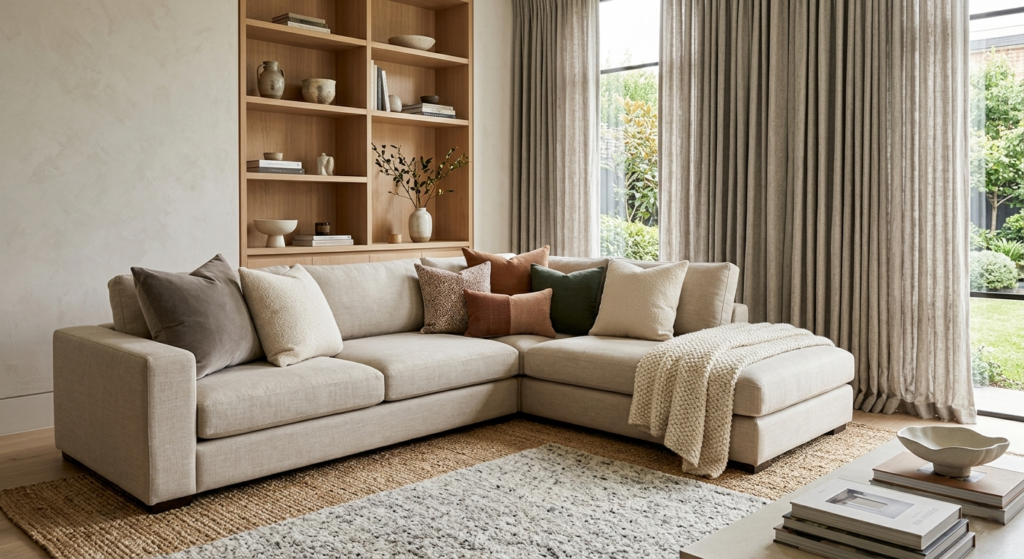
Instead, create a hierarchy that gets smaller from back to front. Place large square decorative pillows (for example, 60×60 cm) at the back, medium-sized ones in front of them, and finish with a rectangular lumbar pillow at the front to create depth.
One of the most critical aspects of choosing decorative pillows is color.
If you want a calm and sophisticated atmosphere, you can use different tones of the same color. For example, beige, cream, and sand tones create a very balanced look together.
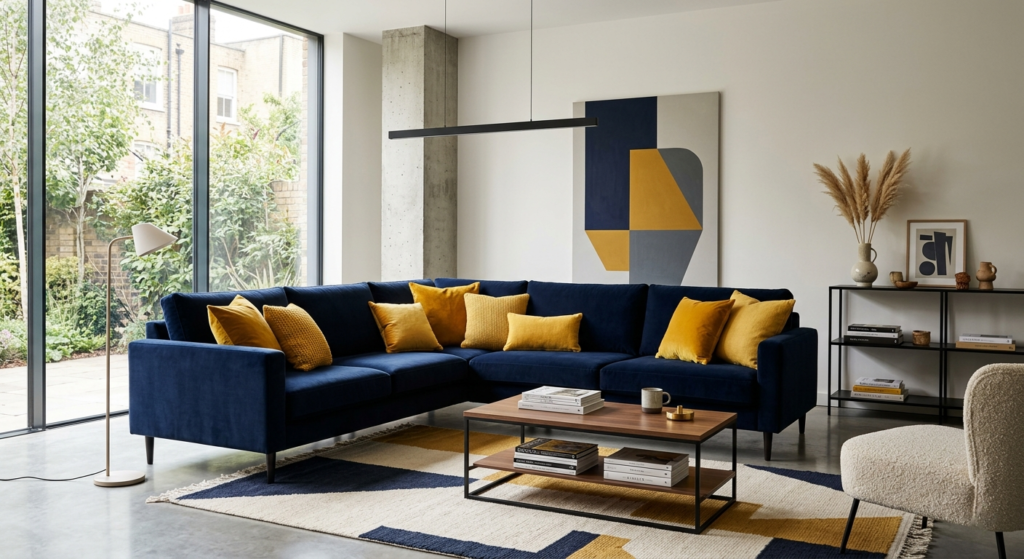
For a bolder effect, you can choose contrasting colors. Adding mustard-toned decorative pillows on a navy sofa instantly brings energy into the space.
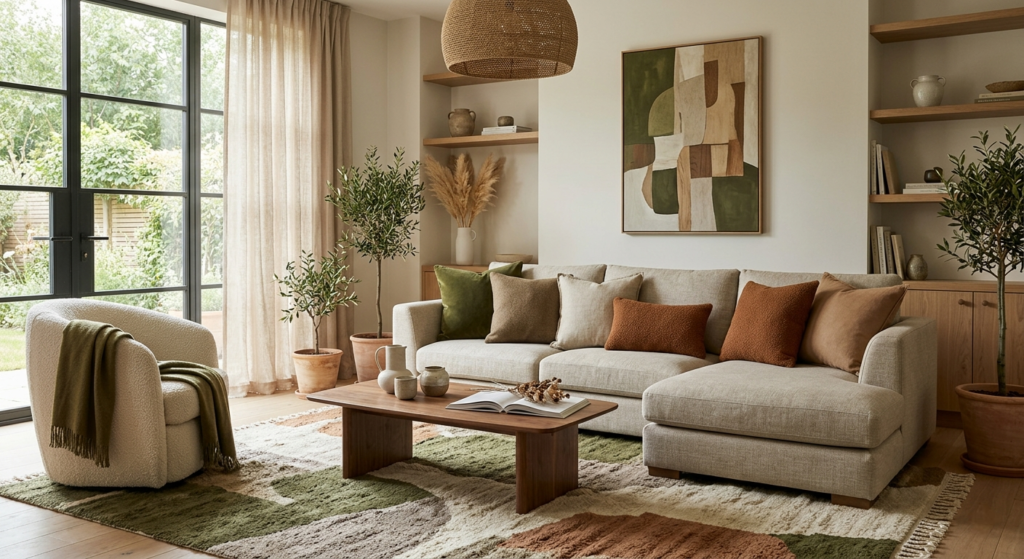
If you are looking for a natural and balanced look, tones that are close to each other (such as olive green, earth tones, and light brown) are always a safe choice.
A small architectural tip: Create a “color story” throughout the entire space. Decorative pillows should be part of that story—they should not feel disconnected or isolated.
Layering Texture: The Easiest Way to Enrich a Space
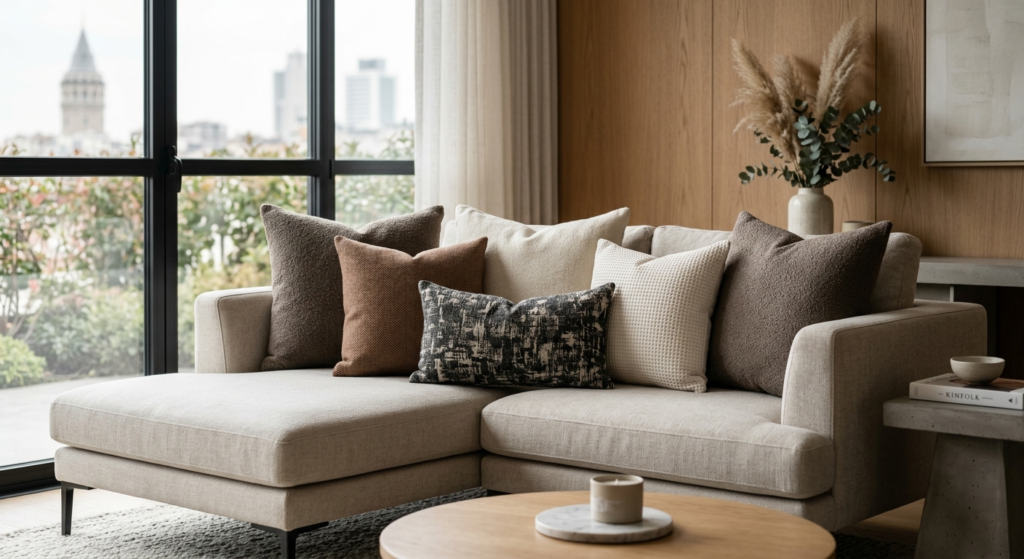
Another element as important as color is texture. Even if you use decorative pillows in the same color tones, you can make the space look much richer by incorporating different textures. Whether a space feels “warm” or “cool” is defined as much by texture as by color. Don’t just play with colors—play with fabrics as well.
Velvet fabrics create a more luxurious feeling, while linen offers a more natural and light effect. Knitted or wool textures add warmth, while leather details present a more modern and strong presence.
Bringing different textures together adds a professional design layer to the space. It’s something you can see but not always explain—yet it’s exactly what makes a space feel “well-designed.”
Correct Placement: Less, but Effective
How you place decorative pillows is just as important as how you choose them.
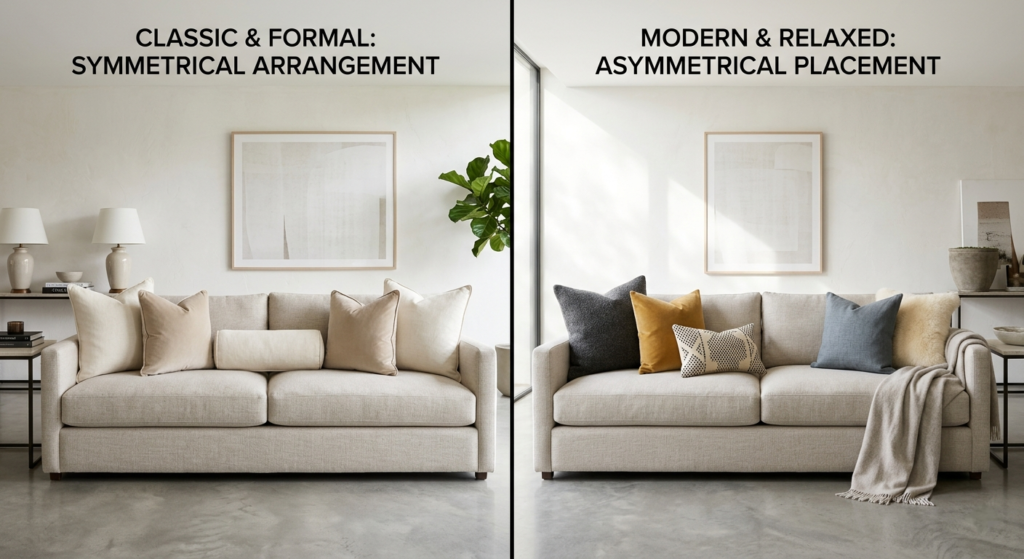
As a general rule, arranging from large to small always creates a more balanced look. Also, odd numbers (such as 3 or 5) create a more natural and fluid composition.
A symmetrical arrangement creates a more classic and orderly effect, while an asymmetrical arrangement offers a more modern and relaxed look.
Here’s a small but important detail: Don’t place decorative pillows too “perfectly.” A slight sense of imperfection makes the space feel more lived-in and warm.
Layering Texture: The Easiest Way to Enrich a Space
Changing your main furniture is difficult, but with decorative pillows, you can make your home feel new every season. This allows you to create a seasonal transformation without allocating a large budget.
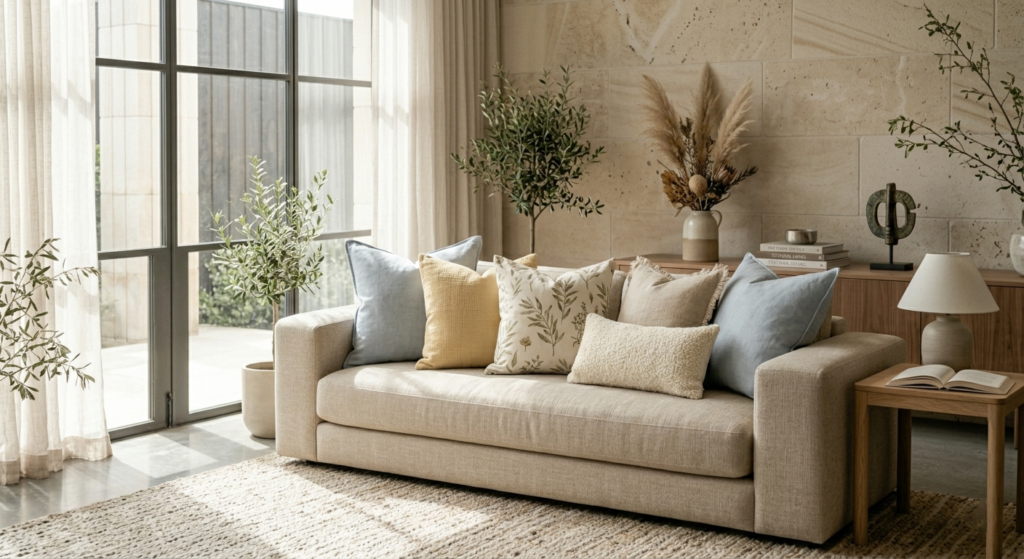
Spring & Summer (Lightness and Freshness): Our key word here is “breathability.” During these months, lighter tones and fabrics should be preferred. Choose linen, cotton, and lightweight canvas fabrics. In terms of color palette, pale blues, soft yellows, and botanical patterns help bring the outside nature indoors.
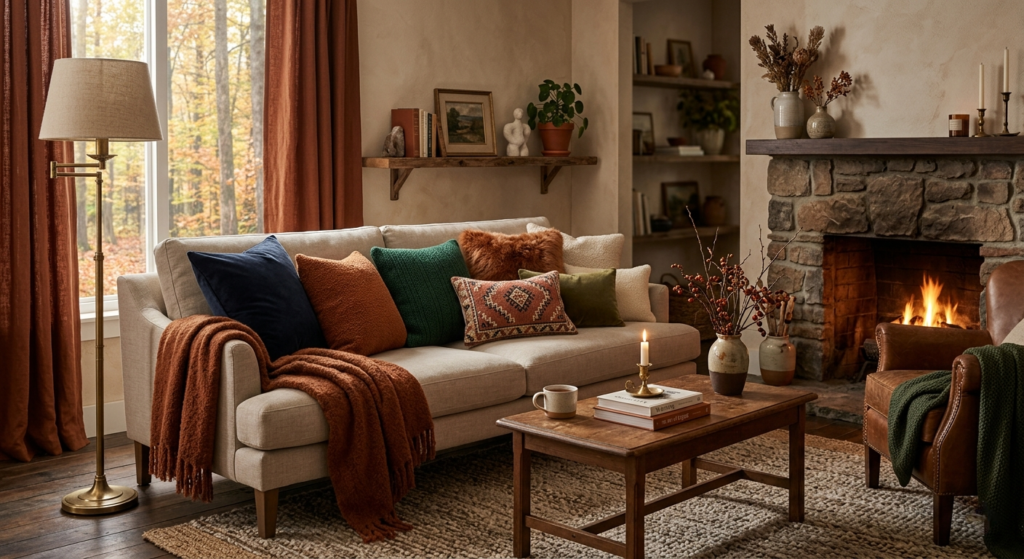
Autumn & Winter (Warmth and Depth): As the weather gets colder, the space also needs to be “cozyed.” Velvet, faux fur, wool textures, and boucle fabrics instantly add warmth. In terms of color, using jewel tones like terracotta, navy, and emerald green, along with earthy shades, helps create a sense of a protected, cozy retreat.